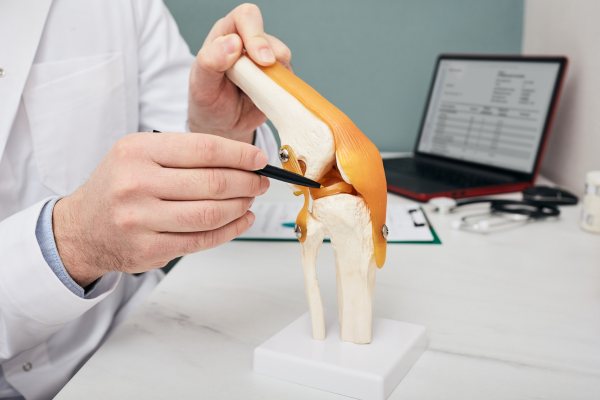
A meniscus tear is one of the most common knee injuries, affecting athletes, active adults, and even individuals performing everyday activities. The meniscus is a C-shaped piece of cartilage in the knee that acts as a shock absorber between the thighbone and shinbone. When this cartilage is damaged, it can cause pain, instability, and difficulty with movement. Understanding the symptoms, diagnosis, and treatment options for a meniscus tear can help you seek the right care and protect your long-term knee health.
Common Symptoms of a Meniscus Tear
Meniscus tear symptoms can vary depending on the severity and location of the injury. Some people experience immediate pain after a sudden twist or pivot, while others notice symptoms developing gradually over time.
Common signs of a torn meniscus include:
- Knee pain, especially along the joint line
- Swelling that develops within hours or days
- Stiffness or reduced range of motion
- A catching, locking, or clicking sensation in the knee
- Difficulty straightening or bending the knee fully
- A feeling that the knee may give out or feel unstable
Athletes participating in sports like football, soccer, basketball, or tennis are at higher risk due to sudden changes in direction. However, meniscus tears can also occur from simple movements such as squatting, kneeling, or lifting heavy objects.
How a Meniscus Tear Is Diagnosed
Proper diagnosis is essential to determine the extent of the injury and the best treatment plan. An orthopedic specialist will begin with a physical examination, evaluating your knee for swelling, tenderness, and movement limitations.
Diagnostic imaging may also be recommended, including X-rays, which help rule out bone-related injuries, and MRI scans, which provide detailed images of soft tissue, including the meniscus. An MRI is often the most effective way to confirm a meniscus tear and assess its size, location, and severity.
Will I Need Surgery to Fix My Torn Meniscus?
Not all meniscus tears require surgery. Many patients can recover with conservative treatment, especially if the tear is small or located in an area with good blood supply.
Non-surgical meniscus tear treatment options may include:
- Rest and activity modification
- Physical therapy to strengthen supporting muscles
- Anti-inflammatory medications
- Knee bracing for support
- Guided rehabilitation to restore mobility and stability
These treatments can help reduce pain, improve function, and allow the meniscus to heal naturally in appropriate cases.
When Will My Doctor Recommend Meniscus Surgery?
Surgery may be recommended if symptoms persist despite conservative treatment or if the tear significantly affects knee function. Larger tears, mechanical symptoms like locking, or tears in areas with limited healing potential are more likely to require surgical intervention.
Minimally invasive arthroscopic surgery is commonly used to treat meniscus tears. During this procedure, an orthopedic surgeon can repair or remove damaged tissue while preserving as much healthy cartilage as possible. The goal is to relieve symptoms, restore knee stability, and help prevent future joint damage.
When to See an Orthopedic Specialist for Knee Pain
If you are experiencing persistent knee pain, swelling, or difficulty moving your knee, it is important to seek evaluation from an orthopedic specialist. Early diagnosis and treatment can help prevent worsening symptoms and support a faster recovery.
At Tennessee Orthopaedic Alliance, our orthopedic specialists provide expert diagnosis and treatment for meniscus tears and other knee injuries. Whether your treatment involves physical therapy or surgical care, our goal is to help you return to your normal activities safely and confidently.
Schedule an appointment with Tennessee Orthopaedic Alliance today to receive personalized care and start your recovery.