Hip pain can make everyday activities like walking, sitting, or sleeping uncomfortable. Two common causes of hip pain—hip arthritis and a hip labral tear—often produce similar symptoms, making it difficult to know what’s causing the problem. At Tennessee Orthopaedic Alliance, our orthopedic specialists help patients across East Tennessee accurately diagnose hip conditions and develop effective treatment plans.
Understanding the differences between hip arthritis and a labral tear can help you recognize when it’s time to seek expert care.
What Is Hip Arthritis?
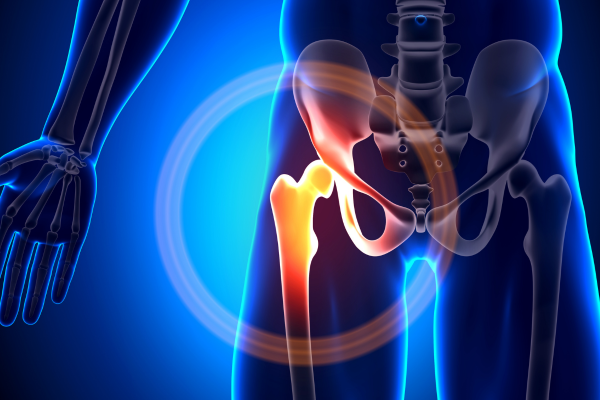
Hip arthritis occurs when the cartilage that cushions the hip joint gradually wears down. The most common form is osteoarthritis, which develops over time due to aging, joint stress, or prior injury. As cartilage breaks down, the joint becomes inflamed, stiff, and painful.
Hip arthritis pain is often described as a deep ache in the groin, thigh, or buttock. Symptoms may worsen with activity and improve with rest, especially in the early stages. Over time, stiffness—particularly in the morning or after sitting—becomes more noticeable, and range of motion may decrease.
What Is a Hip Labral Tear?
The hip labrum is a ring of cartilage that surrounds the hip socket, helping stabilize the joint and allow smooth movement. A labral tear occurs when this cartilage is damaged, often due to repetitive motion, sports activity, structural abnormalities, or trauma.
Unlike arthritis, a hip labral tear frequently causes sharp or catching pain. Patients may feel clicking, locking, or popping in the hip, especially during twisting or pivoting movements. Pain is often felt deep in the groin and may worsen during physical activity rather than at rest.
Key Differences Between Hip Arthritis and a Labral Tear
While both conditions cause hip pain, there are important differences. Hip arthritis typically develops gradually and is associated with stiffness and reduced mobility. Pain may be constant or worsen with prolonged activity. Labral tears, on the other hand, often affect younger or active individuals and may cause mechanical symptoms such as catching or instability.
Another key difference is how the hip feels during movement. Arthritis often limits motion, while a labral tear may allow normal motion but trigger pain with certain movements.
How Hip Conditions Are Diagnosed
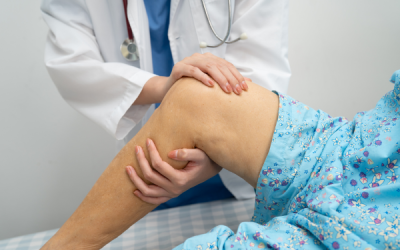
Accurate diagnosis is essential for effective treatment. Orthopedic evaluation usually includes a physical exam, review of symptoms, and imaging such as X-rays or MRI scans. X-rays help identify arthritis-related joint changes, while MRIs are often used to detect labral tears and soft tissue damage.
Treatment Options for Hip Arthritis and Labral Tears
Treatment depends on the underlying condition and severity of symptoms. Hip arthritis may respond to physical therapy, activity modification, anti-inflammatory medications, or injections. When conservative care no longer provides relief, hip replacement surgery may be considered.
Labral tears are often treated with physical therapy and activity adjustments, though some patients benefit from minimally invasive arthroscopic surgery to repair the damaged cartilage.
When to See an Orthopedic Specialist
If hip pain is limiting your mobility or quality of life, early evaluation is key. At Tennessee Orthopaedic Alliance, our orthopedic experts work closely with patients to identify the cause of hip pain and guide them toward the most appropriate treatment—helping them return to comfortable, confident movement.