Not every sports injury feels severe right away. A minor tweak can sometimes turn into something more significant if ignored. The challenge is knowing when to rest—and when it’s time to seek medical care.
At Tennessee Orthopaedic Alliance (TOA), we often see patients who waited too long to get evaluated. Understanding the warning signs of a serious sports injury can help you avoid long-term complications and recover more effectively.
Common Sports Injury Symptoms That May Signal a Serious Problem
After a workout, game, or physical activity, it’s normal to feel sore. But certain symptoms suggest something more than routine muscle fatigue.
You should pay closer attention if you experience:
- Sharp or worsening pain instead of gradual soreness
- Swelling that develops quickly or doesn’t improve
- Bruising or visible changes around the joint
- Limited range of motion or stiffness
- A feeling of instability, especially in the knee or ankle
These symptoms may indicate ligament damage, a tear, or even a fracture. Learning more about sports-related injuries can help you better understand when symptoms require evaluation.
When a Sports Injury Needs Orthopedic Urgent Care
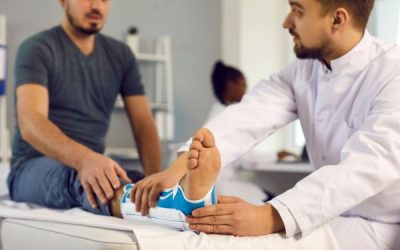
If your injury is painful and affecting your ability to move, but not life-threatening, it may be time to visit orthopedic urgent care.
This is often the right choice for:
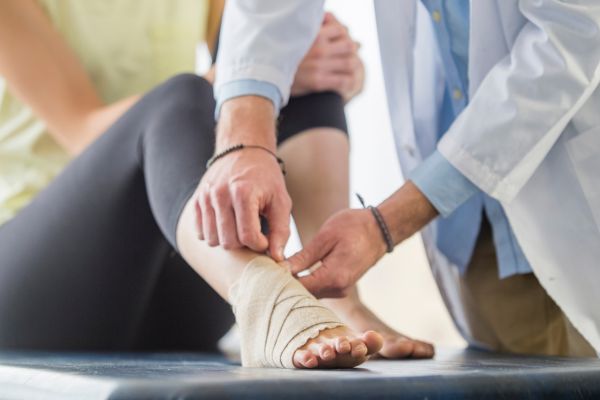
- Suspected sprains, strains, or ligament injuries
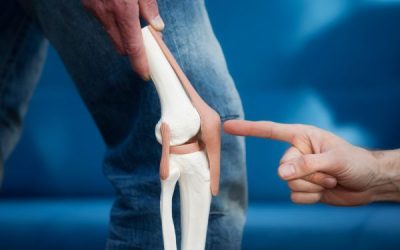
- Sports-related knee injuries, including possible ACL tears
- Shoulder injuries from overuse or impact
- Joint swelling or difficulty bearing weight
- Injuries that don’t improve after a few days of rest
TOA offers convenient walk-in urgent care for these types of injuries, helping you avoid unnecessary ER visits.
Signs Your Injury May Require Advanced Treatment
Some injuries go beyond rest and basic care. If your symptoms persist or worsen, it could indicate a more complex issue.
Warning signs include:
- Pain that continues for several days without improvement
- A joint that locks, catches, or gives out
- Inability to return to normal activity levels
- Re-injury in the same area
- Increasing weakness or instability
For example, knee injuries may require further evaluation or treatment such as ligament repair and ACL tear reconstruction.
When to Go to the ER for a Sports Injury
While many sports injuries can be treated outside of the emergency room, there are situations where immediate care is critical.
Go to the ER if you experience:
- Severe trauma or visible deformity
- A bone breaking through the skin
- Head injury or loss of consciousness
- Uncontrolled bleeding
- Numbness or signs of nerve damage
If your injury doesn’t fall into these categories, orthopedic urgent care is often a faster and more focused treatment option.
What to Do Next After a Sports Injury
If you’re unsure how serious your injury is, it’s always better to get evaluated early. Delaying care can lead to longer recovery times and increased risk of complications.
Start with rest, ice, and limiting activity—but if symptoms don’t improve, take the next step. TOA makes it easy to connect with a specialist and begin treatment quickly. Reach out for more information on becoming a patient.
Get Back to Activity Safely
The goal after any sports injury isn’t just to heal—it’s to return safely and confidently to your normal routine. Getting the right diagnosis early can help you avoid setbacks and protect your long-term joint health.
Whether you’re dealing with a mild strain or a more serious injury, the right care at the right time can make all the difference.