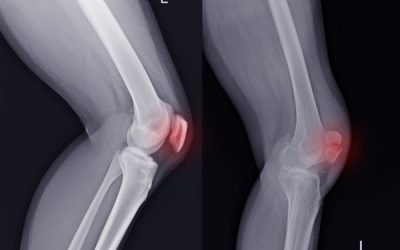

Back, hip, and knee pain can affect every part of your day—from getting out of bed to walking, working, or exercising. While occasional soreness is normal, ongoing pain may signal a deeper issue that requires expert care. At Tennessee Orthopaedic Alliance (TOA), our specialists diagnose and treat the full spectrum of orthopedic conditions so you can return to the activities you enjoy.
If you’re unsure when to seek care, here’s what you should know.
When Should I See an Orthopedic Doctor for Back Pain?
Many patients experiencing back pain don’t seek medical treatment until the discomfort becomes persistent or disruptive. You should schedule a visit with an orthopedic specialist if your back pain:
- Lasts longer than a few weeks
- Radiates into the leg or buttock
- Causes numbness, tingling, or weakness
- Makes standing, bending, or lifting difficult
- Occurs after a fall, accident, or sudden injury
Common causes of chronic back pain include herniated discs, degenerative disc disease, spinal stenosis, arthritis, or muscular strain. TOA’s spine team uses advanced imaging and targeted treatment plans—including physical therapy, injections, and minimally invasive procedures—to relieve pain and restore mobility.
Signs You Need an Orthopedic Doctor for Hip Pain
Hip pain that interferes with walking, standing, or sleeping deserves a professional evaluation. You may need to see an orthopedic hip doctor if you experience:
- Groin pain or stiffness when standing up
- Clicking, catching, or instability in the hip
- Pain that worsens with movement
- Trouble lifting or rotating the leg
Conditions such as hip arthritis, labral tears, bursitis, femoroacetabular impingement (FAI), or fractures can significantly affect your quality of life. TOA’s hip surgeons offer both non-surgical options and advanced procedures such as arthroscopy, anterior hip replacement, and hip preservation techniques tailored to each patient’s condition and goals.
When to See an Orthopedic Doctor for Knee Pain
You should see an orthopedic knee doctor if you are experiencing:
- Swelling or stiffness that doesn’t improve
- Pain during weight-bearing activities
- Difficulty bending or straightening the knee
- A sensation of the knee giving out
- Pain after a twist, fall, or sports injury
Knee issues may stem from ligament injuries (ACL, MCL), meniscus tears, tendonitis, arthritis, or cartilage damage. TOA provides personalized care—ranging from bracing and therapy to minimally invasive arthroscopic procedures and total knee replacement when needed.
Why Early Orthopedic Evaluation Matters
Delaying care can lead to worsening symptoms, reduced mobility, and longer recovery times. Early diagnosis helps prevent chronic problems and gives you access to conservative treatment options before conditions progress.
At Tennessee Orthopaedic Alliance, our board-certified orthopedic specialists combine leading technology, evidence-based care, and personalized treatment to help patients across East Tennessee move with confidence again.
FAQ
When should I see an orthopedic doctor for back pain?
You should see an orthopedic specialist if your back pain lasts more than two weeks, limits movement, causes shooting leg pain, or begins after an injury.
What are the signs that I need a hip doctor?
You may need a hip specialist if you experience groin pain, stiffness, difficulty walking, or clicking and catching that interferes with daily activities.
How do I know if my knee pain is serious?
Knee pain is considered serious when swelling persists, the knee feels unstable, bending is difficult, or the pain began after a sudden twist or fall.
Do I need a referral to visit Tennessee Orthopaedic Alliance?
Most patients do not need a referral to schedule with an orthopedic doctor at TOA, but insurance requirements may vary. Contact our team to confirm.
What treatments do orthopedic doctors offer for joint pain?
Orthopedic specialists provide physical therapy, medications, injections, minimally invasive procedures, and joint replacement depending on your diagnosis.