An anterior cruciate ligament (ACL) injury can be frustrating for athletes, active adults, and anyone who depends on strong knee stability for daily movement. Whether an ACL tear is treated with surgery or a nonsurgical plan, physical therapy plays a major role in helping patients rebuild strength, restore motion, and return to activity safely.
At Tennessee Orthopaedic Alliance (TOA), patients throughout East Tennessee can receive specialized orthopedic care for knee injuries, including ACL tears, sports injuries, and ongoing rehabilitation needs.
Why Physical Therapy Matters After an ACL Injury
The ACL helps stabilize the knee during twisting, pivoting, jumping, and sudden changes in direction. When it is injured, many patients experience pain, swelling, weakness, or a feeling that the knee may “give out.” Physical therapy helps address these problems by improving range of motion, reducing stiffness, rebuilding muscle strength, and supporting better knee control.
Rehabilitation is important whether a patient has ACL reconstruction surgery or is managing the injury without surgery. According to Mayo Clinic, physical therapy for ACL injuries focuses on reducing pain and swelling, restoring full knee motion, and strengthening the muscles around the knee.
Physical Therapy Before ACL Surgery
Some patients benefit from physical therapy before ACL surgery, often called “prehab.” The goal is to reduce swelling, improve knee motion, and strengthen the muscles that support the joint before surgery takes place. A stronger, less irritated knee may make the early stages of recovery easier after ACL reconstruction.
Pre-surgical therapy may include gentle mobility exercises, quadriceps and hamstring strengthening, balance work, and education on how to protect the knee. Your orthopedic specialist will determine whether prehab is appropriate based on your injury, symptoms, and treatment plan.
ACL Surgery Recovery and Rehabilitation
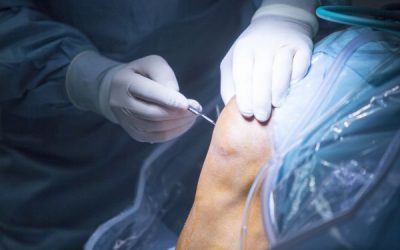
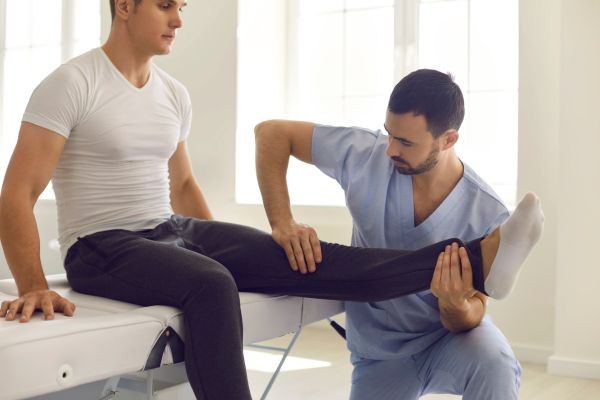
After ACL reconstruction, physical therapy is usually a structured, progressive process. Early therapy often focuses on managing swelling, safely restoring motion, and improving walking mechanics. As healing continues, exercises typically advance to strengthening, balance training, and sport- or activity-specific movement patterns.
Recovery timelines vary from patient to patient. Factors such as age, activity level, surgical details, associated meniscus injuries, and consistency with therapy can all influence progress. The American Academy of Orthopaedic Surgeons notes that care after ACL surgery often involves a team that may include orthopedic surgeons and physical therapists.
Physical Therapy for Nonsurgical ACL Treatment
Not every ACL injury requires surgery. For some patients, especially those with lower activity demands or less knee instability, nonsurgical care may include bracing, activity modification, and physical therapy. The goal is to strengthen the muscles around the knee and improve stability during daily activities.
A nonsurgical plan should always be guided by an orthopedic specialist, since untreated instability can increase the risk of additional knee damage in some patients.
When to Visit TOA Orthopedic Urgent Care for a Knee Injury
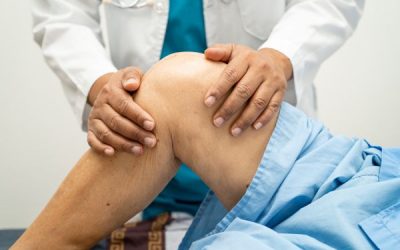
If you develop sudden knee pain, swelling, instability, or difficulty walking after a sports injury, fall, or twist, prompt evaluation is important. TOA Orthopedic Urgent Care provides walk-in care for many non-life-threatening orthopedic injuries, including suspected ACL tears, knee sprains, sports injuries, fractures, and joint pain.
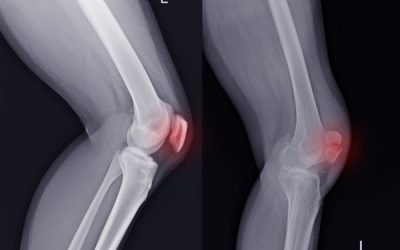
With orthopedic-focused care, on-site X-rays, and access to follow-up specialists, TOA Orthopedic Urgent Care can help patients get answers quickly and begin the right next steps for recovery.
Expert ACL Injury Care in East Tennessee
Recovering from an ACL injury takes time, consistency, and the right care team. Tennessee Orthopaedic Alliance provides comprehensive knee injury care for patients in Knoxville, Oak Ridge, Sevierville, Lenoir City, Alcoa, and surrounding East Tennessee communities.
If you are dealing with knee pain or instability after an injury, visit TOA Orthopedic Urgent Care for a walk-in evaluation or schedule an appointment with an orthopedic specialist to discuss your treatment and rehabilitation options.