Shoulder Surgery Recovery Experts at Tennessee Orthopaedic Alliance
Shoulder surgery can be life-changing for patients struggling with persistent shoulder pain, stiffness, weakness, or limited mobility. Whether you’re undergoing rotator cuff repair, shoulder replacement, or labrum surgery, understanding the shoulder surgery recovery timeline can help you prepare for the healing process.
Recovery varies depending on the procedure, your overall health, and your rehabilitation plan. At Tennessee Orthopaedic Alliance (TOA), our shoulder surgery specialists help patients throughout East Tennessee understand what to expect after surgery and develop personalized plans for restoring shoulder strength and movement.
What Is the Typical Recovery Time After Shoulder Surgery?
Most patients can expect shoulder surgery recovery to take several months, although the timeline depends on the type and complexity of the procedure.
For less complex procedures, such as certain types of arthroscopic shoulder surgery, patients may resume light daily activities within four to six weeks. However, more involved procedures, including rotator cuff repair and shoulder replacement, often require four to six months or longer for substantial improvement.
In some cases, regaining maximum strength, flexibility, and shoulder function may take up to a year or more.
Your orthopedic surgeon will provide a recovery schedule based on your procedure and individual healing progress.
How Does Recovery Time Differ by Shoulder Surgery Type?
Different shoulder procedures involve different tissues, which affects the shoulder surgery recovery time.
Rotator Cuff Surgery Recovery
Rotator cuff surgery repairs damaged tendons that help stabilize and move your shoulder.
Patients typically wear a sling during the initial healing period to protect the repaired tendons. Rehabilitation progresses gradually from protected movement to strengthening exercises.
Rotator cuff surgery recovery commonly takes several months, with some patients requiring six months or longer to regain strength and function.
Shoulder Replacement Recovery
Total shoulder replacement surgery replaces damaged joint surfaces with artificial components, often to address advanced shoulder arthritis.
Many patients gradually resume light activities within the first several weeks. Improvements in shoulder movement and strength can continue for six to twelve months or longer.
Patients undergoing reverse shoulder replacement may have different rehabilitation precautions and long-term activity recommendations.
Arthroscopic Shoulder Surgery Recovery
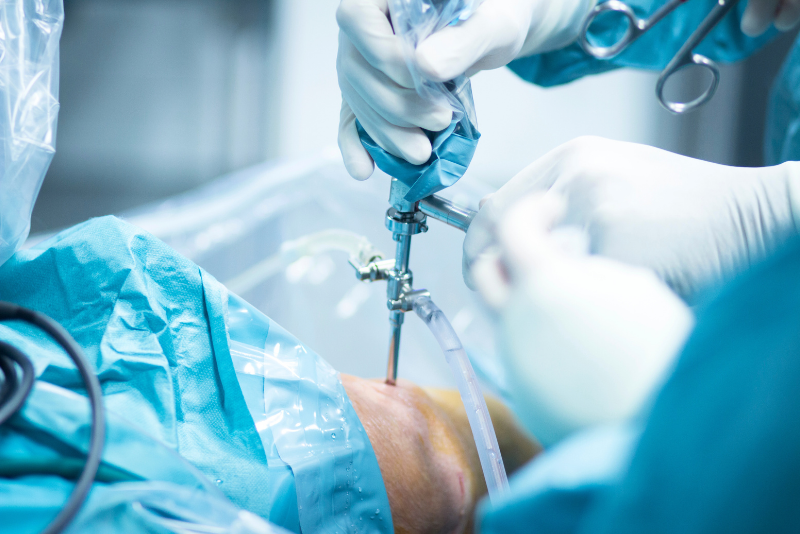
Arthroscopic shoulder surgery uses small incisions and specialized instruments to treat certain shoulder injuries.
Although this approach may involve smaller incisions, recovery still depends on the structures being treated. A procedure that repairs a tendon or labrum generally requires more protection and rehabilitation than a procedure without a major tissue repair.
Learn more about what to expect after arthroscopic shoulder surgery.
What Happens During the First Few Weeks After Shoulder Surgery?
The initial weeks of shoulder surgery recovery focus on protecting healing tissues, managing discomfort, and preventing complications.
Depending on your procedure, your surgeon may recommend wearing a sling or shoulder immobilizer for several weeks.
During this period, patients may experience:
- Swelling and bruising around the shoulder
- Temporary stiffness or limited range of motion
- Difficulty dressing, bathing, or completing household tasks
- Discomfort when sleeping
- Restrictions on lifting, reaching, or overhead movements
Some patients begin carefully controlled exercises early in recovery, while others must limit shoulder movement until repaired tissues have healed sufficiently.
Following your surgeon’s postoperative instructions is essential for protecting your shoulder and reducing the risk of reinjury.
How Can You Manage Pain and Sleep Comfortably After Shoulder Surgery?
Pain and sleep disturbances are common concerns during the first several weeks after shoulder surgery.
Your surgeon may recommend medication, cold therapy, and positioning adjustments to help manage postoperative discomfort.
Sleeping in a reclined position or using pillows to support your arm may make resting more comfortable. Some patients find sleeping in a recliner helpful during early recovery.
Avoid lying directly on the operated shoulder unless your surgeon confirms it is safe.
Always follow your prescribed medication instructions and contact your care team if pain becomes significantly worse or is not adequately controlled.
When Can I Return to Normal Activities After Shoulder Surgery?
Returning to everyday activities depends on your procedure, healing progress, and your surgeon’s recommendations.
Light activities, such as typing or preparing simple meals, may be possible within several weeks. However, lifting, pushing, pulling, and overhead movements may remain restricted for longer.
When Can I Drive After Shoulder Surgery?
Driving may be possible after several weeks, but patients should not resume driving until their surgeon approves.
You must be able to control the vehicle safely and should never drive while taking medications that impair alertness. Wearing a sling can also limit your ability to operate a vehicle.
When Can I Return to Work?
Patients with desk jobs may return sooner than those whose work involves lifting, repetitive arm movements, or physically demanding tasks.
Your orthopedic surgeon can help determine when returning to work is appropriate.
When Can I Return to Sports or Exercise?
Returning to sports, weightlifting, and recreational activities typically requires more extensive healing.
Patients recovering from rotator cuff repair or shoulder replacement may need several months before participating in demanding activities.
Your return should be based on restored strength, functional movement, and medical clearance rather than a specific date alone.
How Important Is Physical Therapy After Shoulder Surgery?
Physical therapy after shoulder surgery is an important part of recovery for many patients.
Rehabilitation programs are designed around the surgical procedure and may progress through several stages.
Early Rehabilitation: Protecting the Shoulder
Initial exercises may focus on maintaining appropriate movement while protecting repaired tissues. Your physical therapist will follow the precautions established by your surgeon.
Intermediate Rehabilitation: Restoring Range of Motion
As healing progresses, therapy may focus on improving shoulder flexibility, reducing stiffness, and restoring comfortable movement.
Advanced Rehabilitation: Rebuilding Strength
Later stages often introduce strengthening exercises to improve shoulder stability, endurance, and functional movement.
Consistently following your prescribed physical therapy program and home exercise instructions can support recovery. However, performing exercises too aggressively or advancing before your shoulder is ready may cause setbacks.
What Factors Can Affect Shoulder Surgery Recovery Time?
No two patients recover at exactly the same pace. Several factors can influence healing, including:
- Type of shoulder surgery: Complex repairs generally require longer rehabilitation.
- Age and overall health: Individual health conditions can affect tissue healing.
- Severity of the injury: Larger rotator cuff tears or extensive joint damage may require additional recovery time.
- Smoking and diabetes: These factors can increase the risk of delayed healing or complications.
- Rehabilitation participation: Following your prescribed recovery plan supports progress.
- Previous shoulder procedures: Revision surgery may involve a more complicated recovery process.
Your surgeon will consider these factors when establishing realistic recovery expectations.
What Are the Warning Signs of Complications After Shoulder Surgery?
Some discomfort, swelling, and stiffness are expected after surgery. However, certain symptoms may indicate a complication.
Contact your surgical team promptly if you experience:
- Increasing redness, warmth, or drainage around the incision
- Fever or chills
- Pain or swelling that suddenly worsens
- New or worsening numbness or weakness
- Unexpected difficulty moving your arm after a new injury
Seek emergency medical attention for chest pain, difficulty breathing, or other potentially life-threatening symptoms.
Early evaluation can help identify complications and determine whether additional treatment is necessary.
How Can You Support a Successful Shoulder Surgery Recovery?
Although recovery takes time, patients can take practical steps to support the healing process.
Follow these recommendations:
- Wear your sling or immobilizer as directed.
- Attend scheduled postoperative appointments.
- Complete approved physical therapy exercises.
- Avoid lifting or overhead movements until cleared.
- Maintain balanced nutrition and adequate hydration.
- Avoid smoking and follow recommendations for managing chronic health conditions.
- Report unexpected symptoms or changes in shoulder function.
Most importantly, avoid comparing your recovery to someone else’s. Healing depends on your individual condition, procedure, and rehabilitation requirements.
Where Can I Find Shoulder Surgery Specialists in East Tennessee?
If you’re considering shoulder surgery or preparing for an upcoming procedure, the specialists at Tennessee Orthopaedic Alliance can help you understand your treatment and recovery options.
Our shoulder surgery specialists provide orthopedic care for patients throughout Knoxville, Oak Ridge, Sevierville, Lenoir City, and surrounding East Tennessee communities.
Whether you need rotator cuff repair, shoulder replacement, or evaluation for persistent shoulder pain, our team develops individualized treatment recommendations based on your needs.
Schedule an appointment with Tennessee Orthopaedic Alliance to discuss your shoulder condition, explore treatment options, and learn what to expect during recovery.