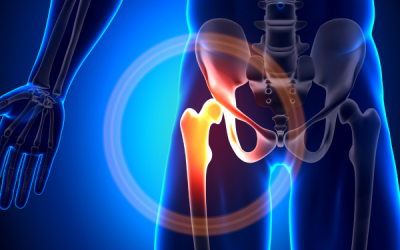
Hip pain can make even the simplest activities difficult. Walking across the room, climbing stairs, or getting comfortable at night may become frustrating when the hip joint is damaged or worn down. For many patients, hip replacement surgery becomes an effective solution when other treatments no longer relieve pain.
At Tennessee Orthopaedic Alliance, orthopedic specialists help patients understand when hip replacement may be the right option to restore mobility and improve quality of life.
What Is Hip Replacement Surgery?
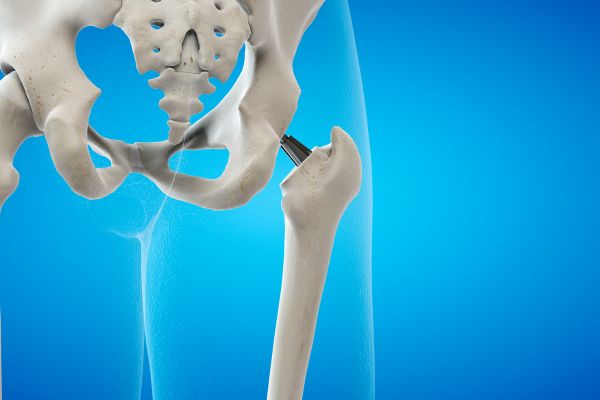
Hip replacement surgery, also called total hip replacement, is a procedure used to relieve pain and restore movement in a damaged hip joint. During the procedure, the orthopedic surgeon removes the worn or injured portions of the hip joint and replaces them with artificial components designed to function like a healthy joint.
The goal of hip replacement is straightforward: reduce pain, restore movement, and allow patients to return to everyday activities such as walking, exercising, and sleeping comfortably. Certain symptoms often indicate when patients should seek evaluation for hip replacement.
If you’re experiencing pain in the groin or buttocks that interferes with sleep or walking, it may be time to consider hip replacement. Our goal is to help people stay active and avoid being sidelined by joint pain.
The Most Common Cause of Hip Replacement: Osteoarthritis
The leading reason patients undergo hip replacement surgery is osteoarthritis of the hip, also known as degenerative joint disease.
Osteoarthritis occurs when the cartilage that cushions the hip joint gradually wears away. Without this protective layer, bones begin to rub together, which can cause:
- Chronic hip pain
- Stiffness in the joint
- Reduced range of motion
- Difficulty walking or bending at the hip
Over time, hip arthritis may make everyday movements uncomfortable. Activities such as sitting, standing, walking, or climbing stairs may become increasingly difficult.
When conservative treatments for hip arthritis—such as physical therapy, medications, or injections no longer provide relief, orthopedic specialists may recommend hip replacement surgery.
Other Conditions That May Require Hip Replacement
While osteoarthritis is the most common cause, several other conditions can lead to hip joint damage requiring surgery.
These may include:
Rheumatoid arthritis: An autoimmune condition that causes inflammation and damage within the joint.
Post-traumatic arthritis: Arthritis that develops after a previous hip injury or fracture.
Hip fractures: Severe fractures of the hip can damage the joint structure and may require surgical replacement to restore stability and movement.
Hip fractures are often the result of falls or traumatic injuries, particularly in older adults. In these cases, hip replacement surgery may allow patients to regain mobility more quickly and prevent further complications.
How Modern Hip Replacement Has Improved
Advances in orthopedic technology and surgical techniques have significantly improved hip replacement outcomes over the past several decades.
Many procedures today can be completed in less than an hour, and patients often begin walking with assistance shortly after surgery. Improvements in implant materials, surgical planning, and rehabilitation programs have made total hip replacement one of the most successful procedures in orthopedic medicine. The hip replacement procedure has evolved to become more accessible. For many patients, it can quickly become a life-changing procedure that allows them to return to activities they enjoy.
When to See an Orthopedic Hip Specialist
If you are experiencing persistent hip pain, stiffness, or limited movement, it may be time to consult with an orthopedic specialist. Early evaluation can help determine the cause of your symptoms and identify the most effective treatment options.
Signs you may benefit from an orthopedic evaluation include:
- Hip pain that interferes with walking or daily activities
- Pain that radiates into the groin or buttocks
- Difficulty sleeping due to hip discomfort
- Reduced range of motion in the hip joint
At Tennessee Orthopaedic Alliance, patients have access to experienced orthopedic surgeons who specialize in treating hip pain, managing hip arthritis, and performing total hip replacement surgery.
With the right diagnosis and treatment plan, many patients are able to return to an active lifestyle and regain comfort in their everyday movements.